Plug WiFi Repeaters
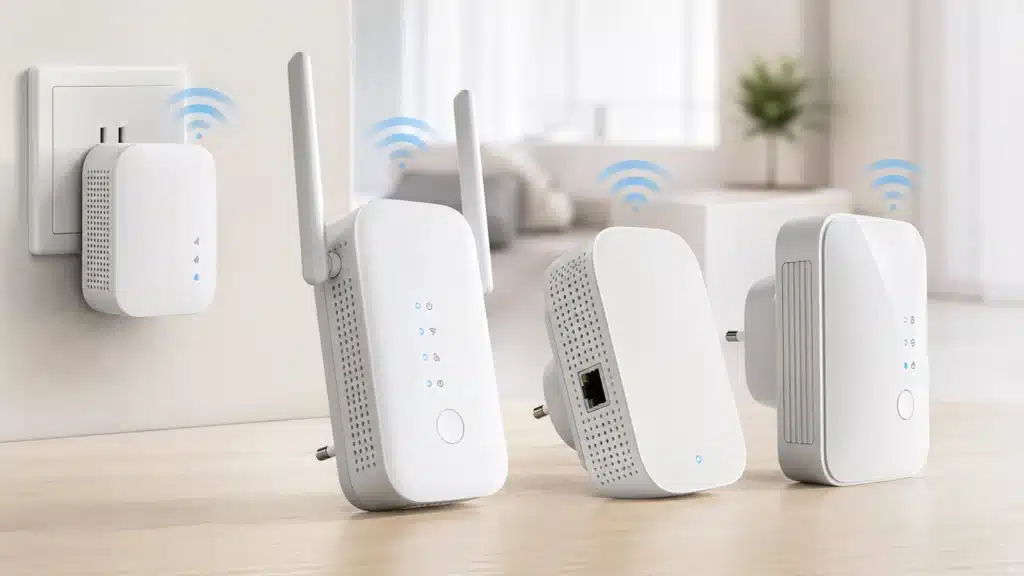
Compact, outlet-mounted, and easy to position, plug WiFi repeaters are ideal for indoor dead-zone extension where installation speed, product footprint, and retail usability matter.
-
Compact wall-plug design for simpler indoor placement
-
Mainstream dual-band options for everyday coverage extension
-
Selected models support Ethernet or access point flexibility
WiFi Repeater Categories
By Standard
-
BE-Class WiFi 7 Repeater Direction
-
Tri-Band WiFi 7 Repeater Direction
-
WiFi 7 LAN Port Repeater
By Scenario
-
Dual-Band Outdoor Coverage Repeater
-
External Antenna Outdoor Repeater
-
LAN Port Outdoor WiFi Extender
-
OEM Outdoor Repeater Direction
-
Long Range External Antenna Repeater
-
Dual-Band Long Range WiFi Extender
-
Multi-Antenna Outdoor Repeater
-
OEM Long Range Outdoor Direction
-
USB-Powered Travel WiFi Repeater
-
Compact Dual-Band Camper Repeater
-
Portable WiFi 6 Repeater
-
Small LAN Port RV Repeater
By Installation
Our Plug WiFi Repeaters Models
Wall-plug WiFi Repeaters
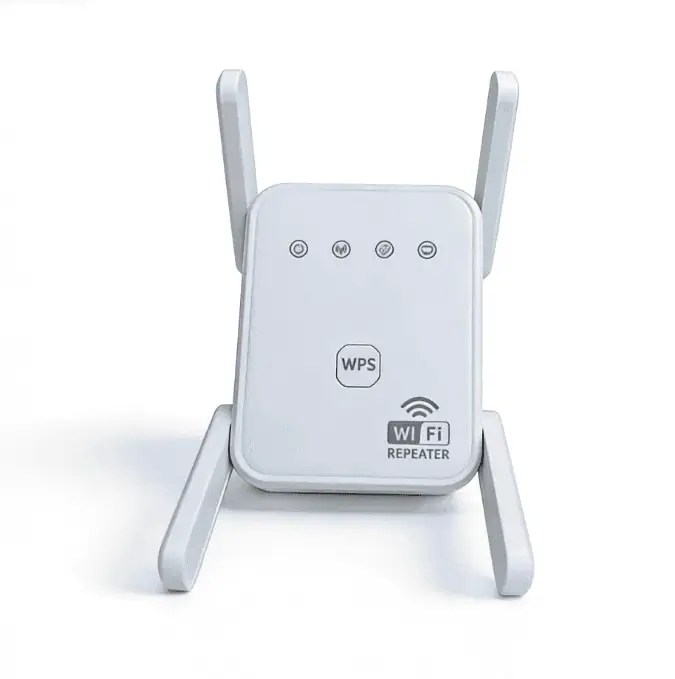
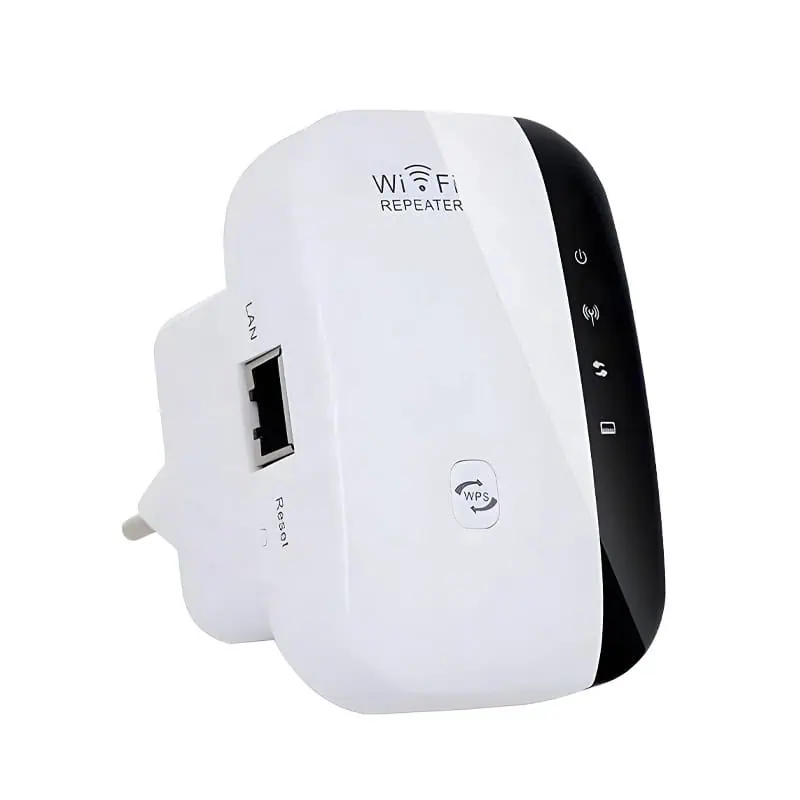
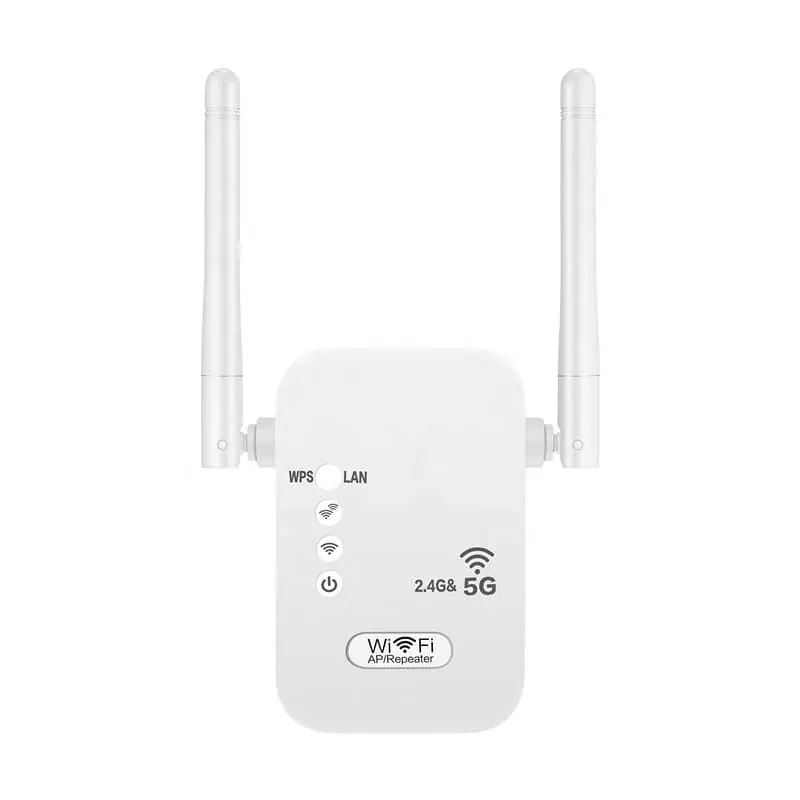
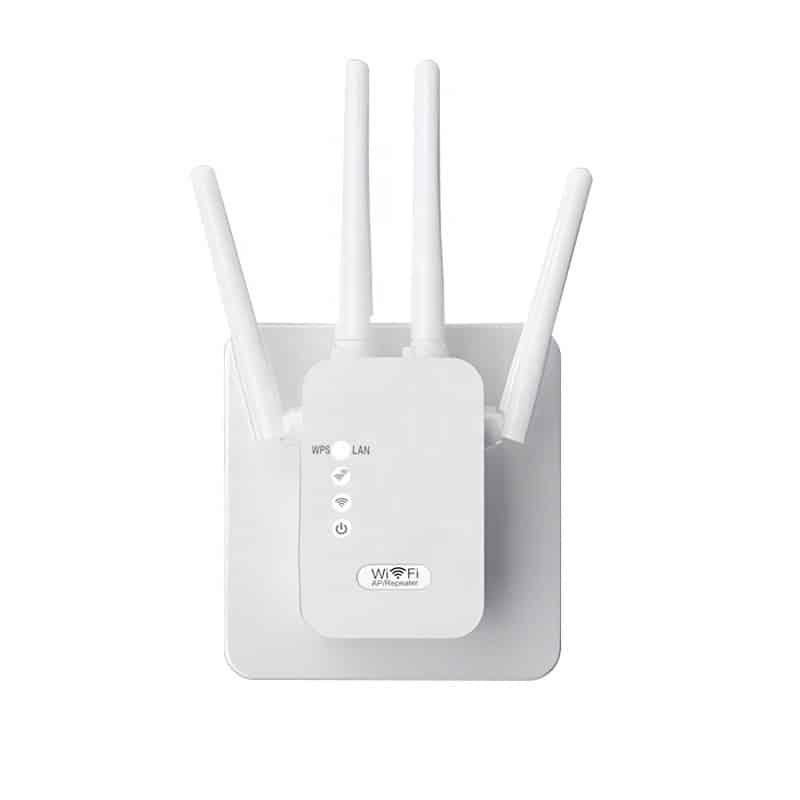
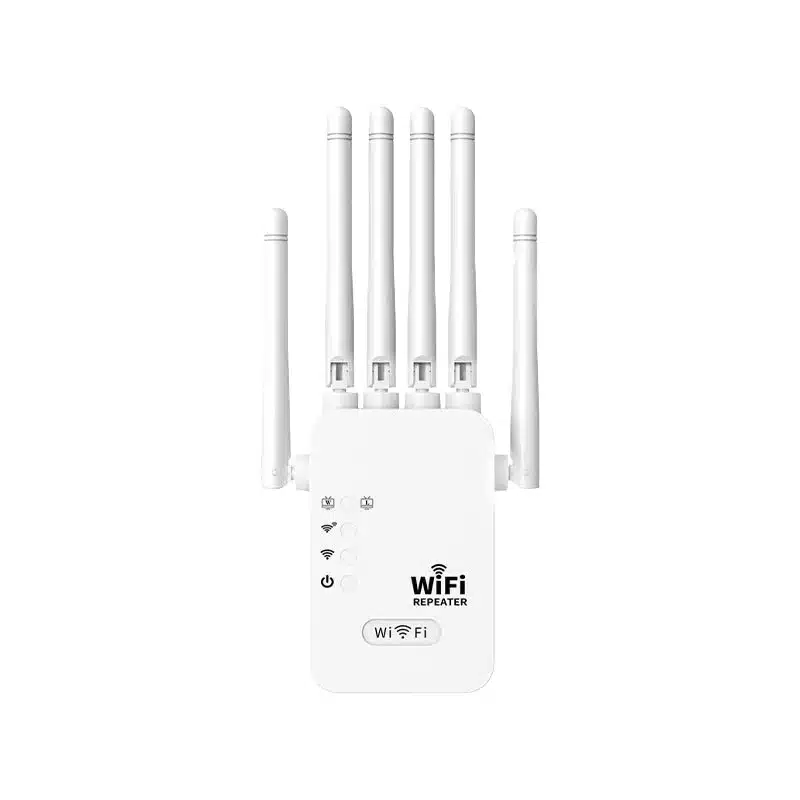
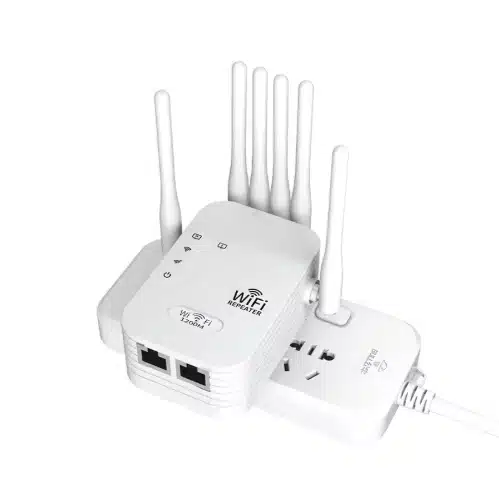
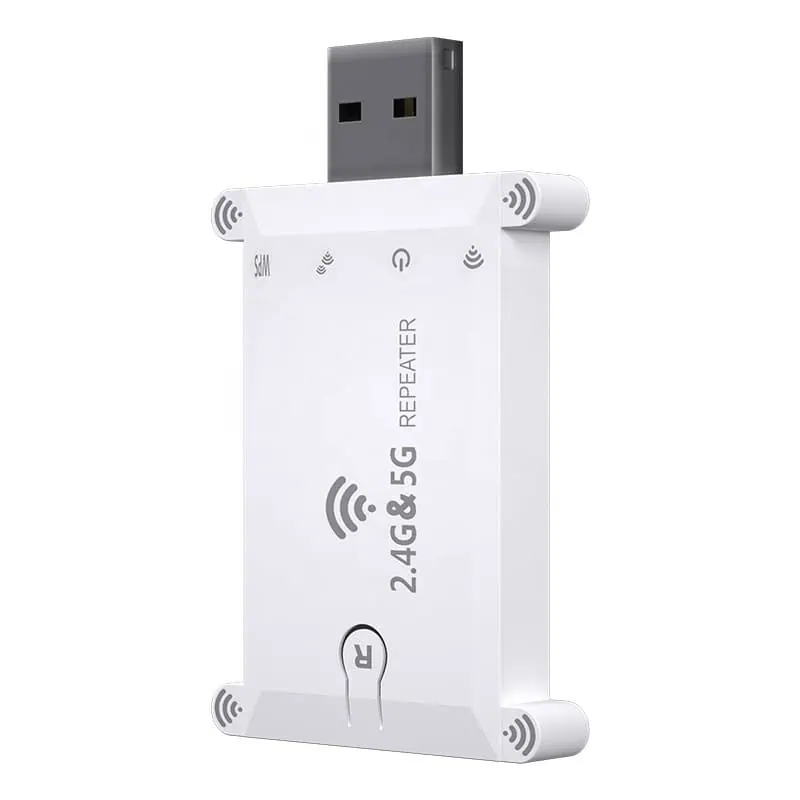
USB WiFi Repeaters
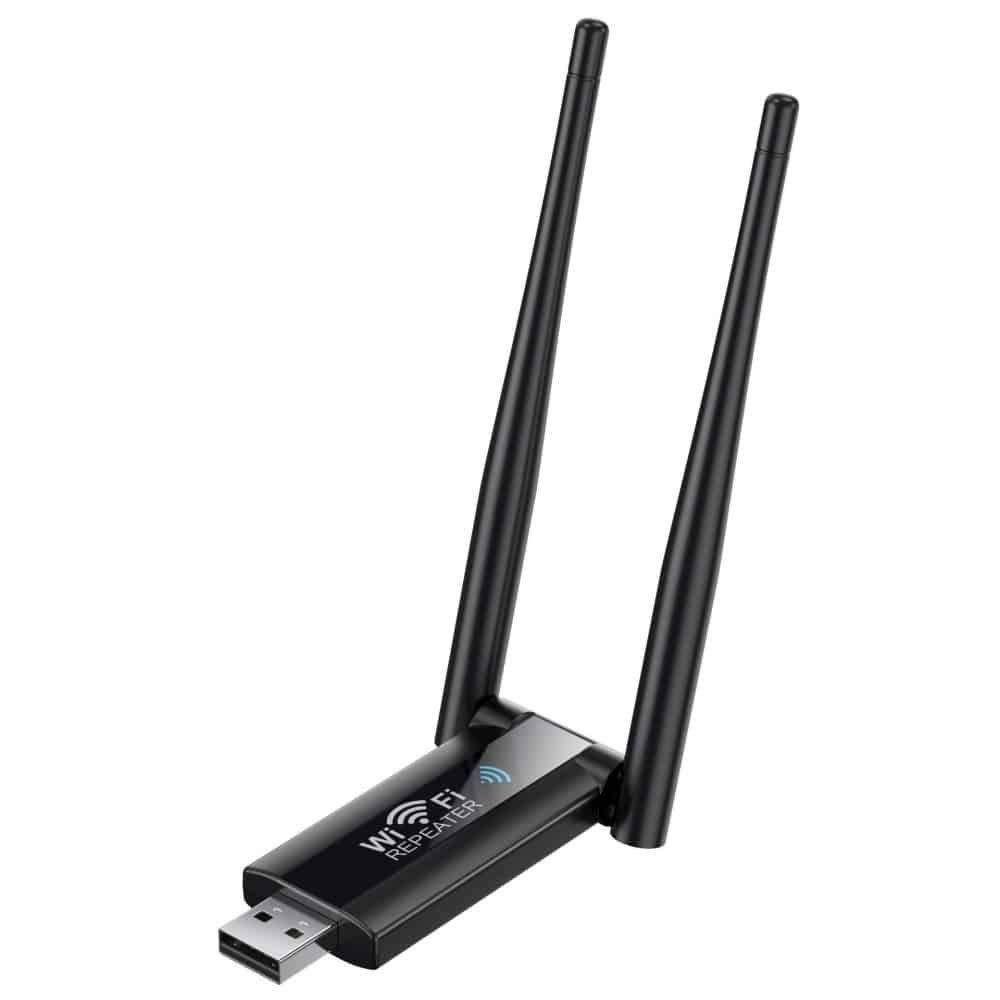
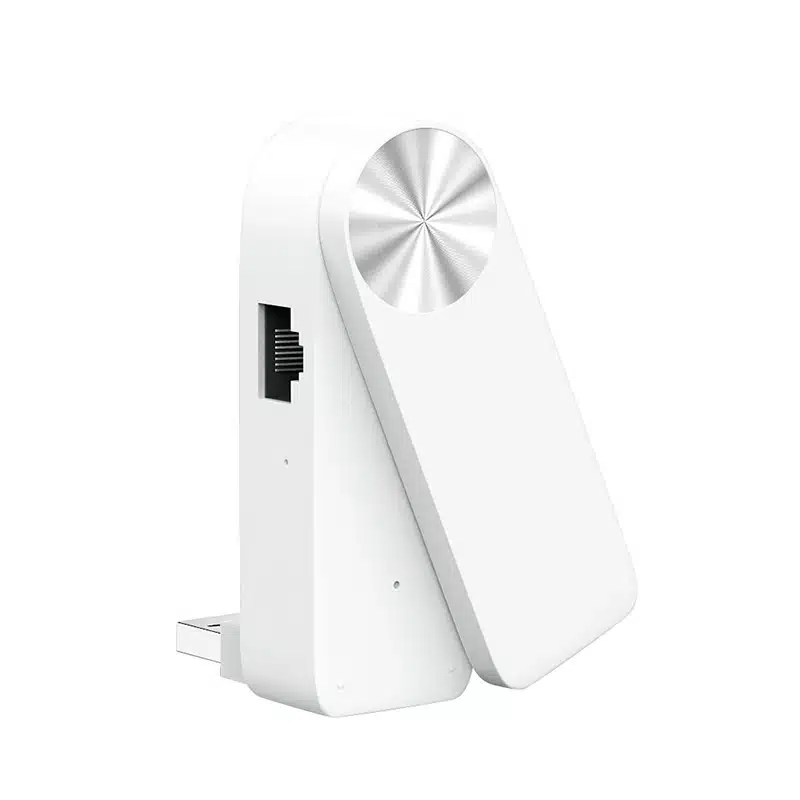
What Plug WiFi Repeaters Are Best For
Plug WiFi repeaters work best where installation simplicity, compact product size, and quick indoor signal recovery matter more than maximum scale or complex network design.
Plug WiFi Repeaters Are Best For
-
Apartments with localized weak-signal corners
-
Bedrooms, study rooms, and home offices
-
Hotel rooms and light hospitality retrofits
-
Rental units needing simple plug-and-use installation
-
Retail-friendly consumer networking products
These environments usually benefit from smaller footprint, faster placement, and lower installation friction.
Plug WiFi Repeaters Works With Limits
-
Medium-size homes with moderate wall obstruction
-
Low-to-medium device density environments
-
Indoor projects where Ethernet backhaul is limited
-
Temporary coverage extension needs
-
Retail-friendly consumer networking products
Performance depends heavily on placement quality, wall materials, and the strength of the source router signal.
Better Alternatives Needed
-
Large multi-floor buildings
-
Thick concrete or heavily partitioned interiors
-
High-density commercial environments
-
Projects requiring seamless roaming across wider areas
-
Outdoor or semi-outdoor deployment
In these cases, desktop extenders, access points, or mesh systems usually provide a more scalable solution.
Quick Technical Snapshot
Plug WiFi repeaters are defined less by headline speed alone and more by outlet-mounted design, mainstream dual-band positioning, deployment flexibility, and indoor-use practicality.
Form Factor
-
Wall-Plug Design
Built for direct outlet installation with a smaller physical footprint.
Typical Class
-
Entry to AC1200 Mainstream
This segment commonly ranges from basic single-band models to dual-band AC1200 products.
Band Setup
-
Single-Band or Dual-Band
Dual-band models offer better flexibility for mixed indoor traffic and reduced interference handling.
Port Design
-
Ethernet on Selected Models
Useful for wired client connection or access point deployment, depending on model design.
Mode Support
-
Repeater + AP on Some Versions
Selected products go beyond range extension and can also work in access point mode.
Deployment Boundary
-
Indoor-Oriented
Best suited to apartments, bedrooms, hotel rooms, and similar indoor signal-recovery scenarios.
What AC1200 Actually Means
In this category, AC1200 usually refers to the combined theoretical class of both bands rather than real single-device throughput. Typical breakdowns are around 300 Mbps on 2.4 GHz plus 867 or 900 Mbps on 5 GHz, depending on the model.
Why Plug Models Stay Compact
Plug WiFi repeaters are optimized for easier installation, smaller packaging volume, cleaner indoor placement, and lower visual footprint rather than maximum hardware expansion.
Common Plug WiFi Repeater Classes
Most plug WiFi repeaters fall into a small number of practical product classes, ranging from entry-level indoor extension models to more flexible versions with Ethernet or mesh-oriented positioning.
Single-Band Plug Repeaters
Built for basic indoor signal extension where cost control matters more than bandwidth flexibility. Suitable for lighter-use environments and entry-level product lines.
Best for basic indoor coverage
Dual-Band Plug Repeaters
The most practical class for balancing compact wall-plug design, better everyday indoor usability, and stronger retail competitiveness in mainstream consumer networking programs.
Best for core retail demand
Ethernet-Enabled Plug Models
Designed for buyers who need more than simple wireless extension. Ethernet support can improve positioning through wired-client use or access point mode, depending on the model.
Best for flexible deployment
Mesh-Ready Plug Repeaters
Suitable for brands building broader product families around roaming, ecosystem compatibility, and upgrade paths beyond standalone range extension.
Best for product-line expansion
For most B2B buyers, dual-band plug models with clearer positioning and deployment flexibility usually offer the strongest balance between retail usability, product differentiation, and scalable product-line planning.
Each class serves a different indoor deployment story, which is why use-case matching matters as much as the headline specification.
Where Plug Models Make More Sense
Plug WiFi repeaters make the most sense in indoor environments where faster installation, smaller physical footprint, and cleaner placement matter more than large-scale network expansion.

Apartments and Small Homes
A plug model works best when the weak-signal problem is local, not structural.
- Easy to place without shelf or desk space
- Better suited to room-level dead-zone recovery
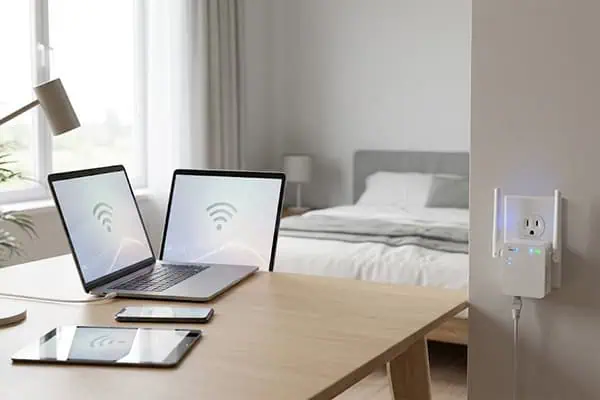
Bedrooms and Home Offices
Plug repeaters fit low-to-medium density indoor use where setup convenience matters more than hardware expansion.
- Clean wall-outlet installation
- Good fit for compact work and living spaces
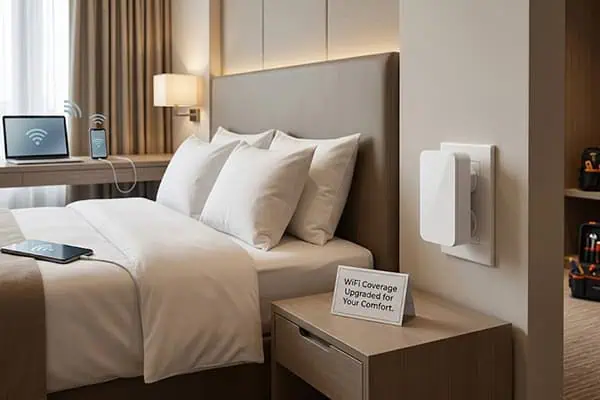
Retail-Friendly Consumer Programs
Plug WiFi repeaters are easier to position as compact, install-friendly networking products for consumer-facing sales channels.
- Faster deployment in finished interiors
- Easier to position in guest-facing spaces
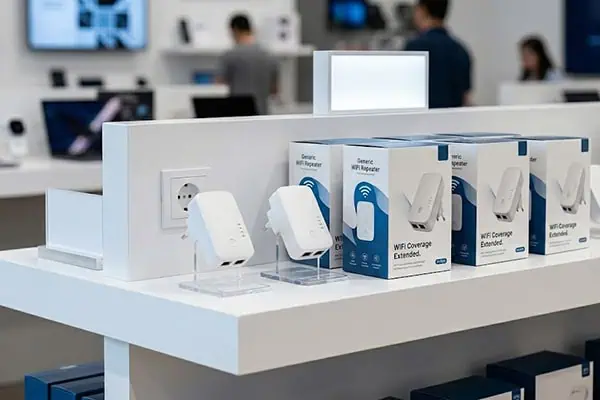
Retail-Friendly Consumer Programs
Plug WiFi repeaters are easier to position as compact, install-friendly networking products for consumer-facing sales channels.
- Smaller form factor supports retail presentation
- Easier product story for end users to understand
Plug models deliver the strongest value where indoor coverage gaps are limited in scope and buyers prioritize compact installation, cleaner placement, and simpler user setup.
That is also why plug repeaters are often chosen for convenience-first indoor deployment, while desktop extenders or mesh nodes are selected for broader or more demanding environments.
Plug WiFi Repeater vs Desktop Extender vs Mesh Node
These three product types solve different coverage problems. Plug models focus on compact indoor extension, desktop extenders add more hardware flexibility, and mesh nodes are better suited to broader multi-point network planning.
| Product Type | Main Strength | Main Limitation | Best Fit |
|---|---|---|---|
| Plug WiFi Repeater | Fast setup, compact wall-plug form factor, cleaner indoor placement | Less room for thermal, antenna, and port expansion | Small indoor dead zones, apartments, bedrooms, hotel rooms |
| Desktop Extender | More hardware flexibility and often stronger product differentiation | Larger footprint and less plug-and-go convenience | Larger rooms, performance-focused indoor setups, richer feature positioning |
| Mesh Node | Better roaming experience and stronger ecosystem positioning | Higher system complexity and usually higher cost | Whole-home coverage, multi-point layouts, broader network planning |
If the priority is faster installation, smaller footprint, and easier end-user setup, plug models usually make more sense. If the priority is wider coverage scale, richer hardware design, or more seamless roaming, desktop extenders or mesh systems are often the better fit.
OEM / ODM Evidence for WiFi 7 Repeater Projects
For plug WiFi repeater projects, buyers usually care less about generic factory claims and more about plug compatibility, packaging efficiency, firmware flexibility, certification readiness, and order execution details.
Supported Plug Types
Built for buyers who need more than a standard public-board solution.
-
100% in-house hardware development
-
MediaTek / Realtek platform integration
-
Custom ports, power, and PCB layout support
Firmware & Software Support
Suitable for projects that need branded UI, protocol features, or secondary development.
-
OpenWrt-based customization
-
TR-069 / TR-181 integration
-
Multi-language UI and white-label web panel
Rapid Tooling & ID Design
Designed for projects that need private mold, modified housing, or faster sample validation.
-
T0 sample in 25 days
-
In-house tooling and mold-flow review
-
Custom material, finish, and logo options
RF Testing & Quality Control
Used to support more stable wireless performance and lower production risk.
-
In-house 3D OTA chamber
-
LitePoint IQxel calibration
-
Burn-in test from -20°C to 60°C
Production Capacity
Suitable for repeat orders, peak-season supply, and distributor-level programs.
-
8 automated Fuji SMT lines
-
30,000 units/day peak capacity
-
10,000 m² smart manufacturing facility
Lead Time & Supply Chain
Built for faster rollout when the project uses mature repeater platforms.
-
35–45 days for mature PCBA orders
-
Strategic chipset supply support
-
Better fit for scalable B2B programs
Typical OEM / ODM Scope
| OEM / ODM Item | Typical Scope |
|---|---|
| Logo Customization | Housing logo, label sticker, carton mark |
| Plug Version | US, EU, UK, AU plug variants depending on model |
| Firmware Adjustment | Default SSID, login page, UI language, function preset |
| Packaging | Gift box, user manual, barcode label, shipping carton |
| Accessories | Ethernet cable, quick guide, insert card, adapter options if applicable |
| Market Support | Compliance preparation based on destination market and configuration |
Plug WiFi repeater OEM projects are usually judged by execution detail rather than headline speed alone. Plug-region compatibility, packaging efficiency, firmware control, and order consistency are often the real factors behind successful repeat orders.
Need a reliable Plug WiFi repeater OEM / ODM partner?
Talk to our team about firmware, housing, interface, and packaging customization.
Home WiFi Repeater FAQ
These questions cover the most common concerns around indoor deployment, product tier selection, and OEM planning for home WiFi repeater programs.
1. What is the main advantage of a plug WiFi repeater over a desktop extender?
A plug WiFi repeater is mainly about deployment efficiency. It installs directly into the wall outlet, takes no shelf space, and is easier for end users to position in small indoor areas. A desktop extender usually offers more hardware flexibility, but the plug format is often better for convenience-first indoor extension.
2. Does AC1200 mean the repeater can deliver 1200 Mbps real throughput?
No. In this category, AC1200 usually refers to the combined theoretical rate of both bands rather than real single-device performance. Buyers should look at band split, backhaul conditions, port speed, and client environment instead of reading the class number as actual usable throughput.
3. Why are dual-band plug repeaters usually more practical than single-band models?
Single-band models are mainly cost-driven. Dual-band models are more practical because they handle mixed indoor usage better and give more flexibility when the source router, client devices, and interference conditions are not ideal. For mainstream retail or private-label programs, dual-band is usually the safer core offering.
4. Is a plug WiFi repeater suitable for large houses or multi-floor buildings?
Usually not as the first-choice architecture. A plug repeater works best when the coverage issue is local and placement can be optimized near the weak-signal zone. In larger homes or multi-floor buildings, the real limitation is often building structure and network layout, not just extender type.
5. Why do some plug repeaters include an Ethernet port?
An Ethernet port adds deployment flexibility. Depending on the model, it can support wired client connection, access point mode, or both. For B2B buyers, this matters because Ethernet-equipped models are easier to position as more versatile products without moving into a much larger hardware form factor.
6. What matters more in product selection: speed class or form factor?
For plug models, form factor often matters more than headline speed in the early buying decision. This category is chosen mainly for compact placement, outlet-based installation, and retail-friendly usability. Speed class still matters, but only after the deployment scenario is already a good fit for a plug design.
7. Are plug WiFi repeaters only for home use?
No. They are also relevant in hotel rooms, rental units, serviced apartments, temporary indoor coverage setups, and other light retrofit environments. The key condition is that the project values simple installation and localized indoor signal recovery more than large-scale network redesign.
8. What is the most common mistake when sourcing plug WiFi repeaters for OEM projects?
The most common mistake is treating the product as a speed-only item. In actual OEM projects, plug type, certification path, packaging size, firmware requirements, and user setup experience often affect sell-through and repeat orders more than the advertised wireless class alone.
9. How should buyers evaluate whether a plug model is strong enough for their market?
The right way is to evaluate use case first, then configuration. Buyers should check indoor deployment scenario, expected user density, typical wall obstruction, router compatibility, Ethernet needs, packaging target, and price band. A plug repeater should be judged as a format solution, not just as a chipset specification.
10. When does a mesh node make more sense than a plug repeater?
A mesh node makes more sense when the buyer needs broader network continuity, smoother roaming, or a scalable multi-point system. A plug repeater is usually the better fit when the goal is faster installation, lower visible footprint, and simpler single-point indoor coverage extension.
Find the Right WiFi Solution for Your Needs
Explore by Product Type
👉 Compare different WiFi expansion solutions based on performance and usage.
Explore by WiFi Standard
👉 Choose based on speed, performance, and compatibility.
Explore by Application Scenario
👉 Find the best solution for your specific environment.
Explore by Installation Type
👉 Please make your selection based on the wireless repeater’s interface and installation method.
Contact Us
Please fill out the form below, and our professional consultants will assist you as soon as possible, typically within 24 hours.
Contact Information
Phone: +8618682468703
WhatsApp: +8618682468703
Email: addway.wang@lgxlgx.com
Address: Room 301, Building A2, Qiangrong East Industrial Zone, No. 723 Zhoushi Road, Hangcheng Street, Shenzhen, Guangdong, China