WiFi Modules
WiFi modules are used when a product needs wireless capability at the module level rather than as a finished networking device. This category is mainly divided into two paths: WiFi Adapter Modules for host-side connectivity, and WiFi Repeater Modules for products that need to receive and redistribute network access. For OEM and bulk projects, the right choice depends on device role, interface type, wireless standard, and integration scope.
-
WiFi Adapter Modules
For embedded devices that need wireless connectivity through host-side integration.
-
WiFi Repeater Modules
For products that must receive connectivity and redistribute it through local wireless or Ethernet paths.
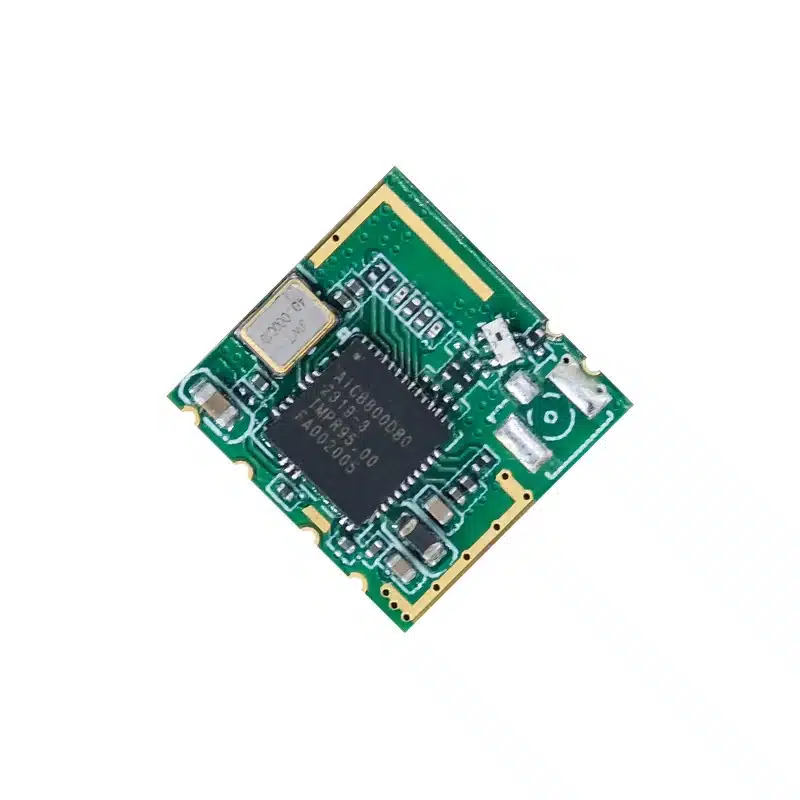
What This Category Is Actually For
This category is for product teams that need to integrate WiFi capability into a device, board, or networking product at the module level. It is not the right starting point for buyers looking for complete routers, mesh systems, or finished CPE hardware.
Right Fit
When This Category Makes Sense
- Your product needs built-in WiFi capability
- You are choosing between host-side access and relay-side function
- The project involves OEM integration, firmware matching, or interface planning
Not the Best Starting Point
When This Is Not the Right Path
- You need a finished retail networking device
- You are comparing complete mesh, router, or bridge systems
- You are solving only end-user coverage problems rather than module integration
WiFi module selection starts with product role, interface path, and integration target — not with finished-device marketing labels.
Two Primary Module Paths
At the category level, the first decision is simple: do you need to add WiFi capability to a host device, or do you need the product to receive and redistribute network access? These two paths lead to different integration logic, software requirements, and product structures.
Primary Path 01
WiFi Adapter Module
WiFi Adapter Modules are used to add wireless connectivity to a host device. They are commonly selected for embedded platforms, smart terminals, gateways, and control systems that need stable WiFi access as part of the product architecture.
Best For
Embedded connectivity, host-side wireless access, interface-driven integration
Typical Focus
Primary Path 02
WiFi Repeater Module
WiFi Repeater Modules are used when the product must receive network access and redistribute it through local wireless or Ethernet paths. They are more suitable for relay-type products, compact repeater devices, or gateway-style networking hardware.
Best For
Relay products, WiFi-to-Ethernet designs, local redistribution functions
Typical Focus
What Buyers Should Actually Compare
Buyers should not compare WiFi modules by speed class alone. For module-level projects, the more useful comparison path starts with integration fit, operating mode, wireless capability, antenna design, and software support.
| Parameter | Why It Matters | What Buyers Should Check |
|---|---|---|
| Interface | Defines how the module connects to the main board and software stack. | Confirm whether the project needs USB, SDIO, PCIe, UART, or another integration path. |
| Operating Mode | The selection logic changes depending on product role. | Check whether the module is for host connectivity, AP function, AP+STA behavior, or relay use. |
| WiFi Standard and Band | Affects compatibility, rated class, and deployment expectations. | Compare 2.4 GHz only versus dual-band, and match WiFi 4, 5, or 6 to the actual project level. |
| Antenna Type | RF behavior depends on antenna path and enclosure fit. | Confirm whether onboard antenna, IPEX, or external antenna support is needed. |
| SDK / OS Support | Integration cost is often driven by software readiness. | Check driver path, firmware support, command structure, and long-term maintenance needs. |
System fit matters earlier than headline speed.
WiFi Adapter Module vs WiFi Repeater Module
These two module paths are often grouped together, but they solve different product problems. One adds wireless access to a host device, while the other supports network relay or redistribution inside the final product.
| Comparison Item | WiFi Adapter Module | WiFi Repeater Module |
|---|---|---|
| Main Function | Adds WiFi capability to a host device. | Receives and redistributes network access. |
| Best For | Embedded systems, smart terminals, gateways, and control platforms. | Relay products, compact repeater devices, and WiFi-to-Ethernet hardware. |
| Key Checks | Interface type, OS support, SDK path, and antenna option. | Operating mode, backhaul behavior, Ethernet output, and relay logic. |
| Not Ideal For | Finished routers or complete networking appliances. | Mesh, bridge, or full CPE system architecture. |
The key difference is the role the module must play inside the final device.
FAQ
These questions focus on the issues buyers actually face when choosing between module paths, interface options, and OEM integration priorities.
What is the difference between a WiFi Adapter Module and a WiFi Repeater Module?
A WiFi Adapter Module adds wireless connectivity to a host device. A WiFi Repeater Module is used when the product must receive network access and redistribute it through local wireless or Ethernet paths.
Which interface is more suitable for my product: USB, SDIO, or PCIe?
That depends on the host platform, system resources, and integration target. USB is often easier for external or flexible integration, while SDIO and PCIe are more common in embedded designs that require tighter system-level integration.
Does dual-band matter for module selection?
Yes, but only when it matches the real application. Dual-band can improve flexibility and reduce congestion risk, but it also increases integration and product complexity compared with basic 2.4 GHz designs.
What should OEM buyers confirm before module integration?
OEM buyers should confirm interface type, operating mode, antenna version, software support, target wireless standard, and long-term supply fit before finalizing module selection.
Contact Us
Please fill out the form below, and our professional consultants will assist you as soon as possible, typically within 24 hours.
Contact Information
Phone: +8618682468703
WhatsApp: +8618682468703
Email: addway.wang@lgxlgx.com
Address: Room 301, Building A2, Qiangrong East Industrial Zone, No. 723 Zhoushi Road, Hangcheng Street, Shenzhen, Guangdong, China