WiFi Repeater Modules
WiFi Repeater Modules are used in embedded products that need to receive and retransmit wireless signals as part of a repeater, extender, or relay design. They are different from WiFi Adapter Modules, which mainly add client-side WiFi connectivity. This category helps OEM buyers and engineers evaluate repeater-oriented module options for custom wireless devices.
Built for wireless relay products, embedded networking devices, and OEM/ODM module integration.
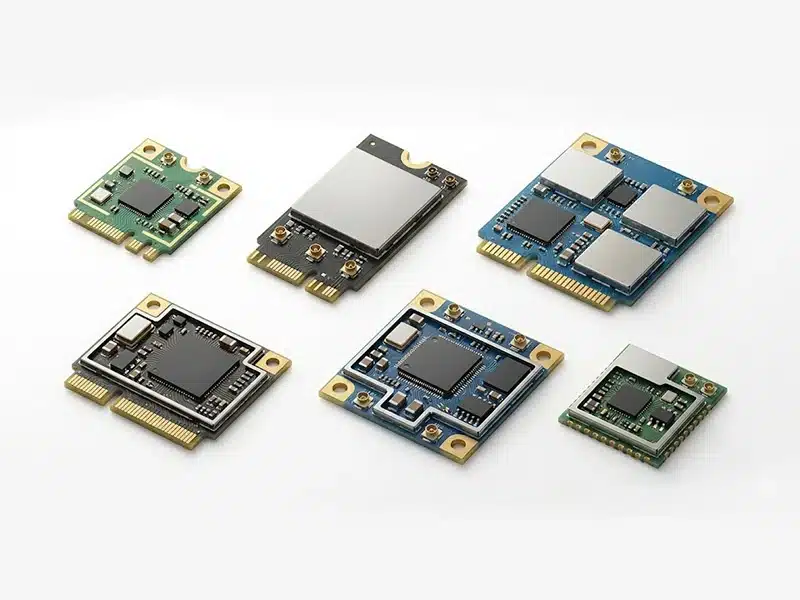
Is This the Right Module Category for Your Project?
WiFi Repeater Modules are not intended for every wireless product. They are mainly used when the device itself must receive and retransmit wireless signals as part of a repeater, extender, relay, or similar embedded networking design.
Best For
Projects that need built-in wireless relay capability inside the product, such as compact extenders, repeater devices, wireless relay terminals, or embedded networking hardware with repeater-oriented operation.
Usually Not For
Products that only need standard WiFi client connectivity to access a router or access point. In those cases, a WiFi Adapter Module is usually a more direct and lower-complexity choice.
Common Product Directions
Common use directions include repeater devices, extender products, relay terminals, compact networking equipment, and OEM projects that require repeater-related wireless operating modes.
What Buyers Should Check First
Before shortlisting a module, buyers should confirm required wireless mode behavior, band strategy, antenna direction, host control method, power constraints, and target market compliance needs.
What a WiFi Repeater Module Actually Adds
A WiFi Repeater Module does more than give a device basic wireless access. It enables the product to participate in wireless relay behavior and creates more flexibility at the firmware, RF, and product-integration level.
Wireless Relay Capability
The module allows the host product to connect to an upstream wireless network and re-broadcast connectivity to downstream users or devices as part of a repeater or extender design.
Repeater-Oriented Firmware Modes
Depending on chipset and firmware scope, repeater-focused platforms may support combinations such as repeater mode, AP mode, client mode, or other multi-mode operating logic required in embedded networking products.
Embedded RF Flexibility
Module-based development gives OEM projects more freedom in antenna placement, enclosure structure, and product-level RF tuning than fixed finished-device architectures.
Product-Level Control
The host system can integrate setup logic, reset behavior, LED indication, management flow, and custom user interaction around the module platform for a more controlled product design.
A repeater module can help simplify wireless expansion in products where cabling is difficult, but final performance still depends on RF design, antenna layout, uplink quality, and real deployment conditions.
Common WiFi Repeater Module Directions
Not all WiFi Repeater Modules serve the same product goal. In real OEM and embedded development, module direction usually depends on cost target, band strategy, antenna design, firmware scope, and the type of device being built.
2.4 GHz Cost-Focused Modules
A practical direction for entry-level repeater products and cost-sensitive embedded projects where basic wireless relay capability matters more than higher-end throughput positioning.
Budget indoor extender products, basic relay devices, simpler OEM programs
Crowded 2.4 GHz environments, lower bandwidth ceiling, weaker performance margin in dense networks
Dual-Band Repeater Modules
A more balanced direction for mainstream repeater products. Dual-band designs are typically easier to position for modern extender devices and broader OEM product lines.
Mainstream repeater devices, dual-band extender products, general-purpose OEM development
Still dependent on real deployment quality and not a substitute for wired backhaul
External-Antenna Repeater Modules
Suitable for products that need more RF tuning flexibility, clearer antenna differentiation, or better enclosure-level control in custom hardware development.
Custom enclosure projects, signal-focused designs, products with stronger antenna planning needs
Antenna matching, placement, isolation, tooling consistency, and certification impact need closer engineering review
Multi-Mode OEM Platforms
Some projects need one hardware platform to support repeater-related operation together with AP, client, or other product modes for different SKU or market requirements.
OEM projects targeting multiple variants, platform reuse, or broader firmware scope
Firmware maturity, mode behavior, UI logic, OTA planning, and long-term platform maintenance
In repeater module projects, the right direction is usually defined by product role and integration constraints rather than headline data rate alone.
WiFi Repeater Module vs WiFi Adapter Module
These two module categories are related, but they are not meant for the same product role. The key difference is whether the device only needs WiFi access or must also relay wireless signals.
WiFi Repeater Module
WiFi Repeater Modules are used when a product must receive and retransmit wireless signals as part of a repeater, extender, or relay design.
- Supports repeater-oriented wireless behavior
- Best for relay and extension products
- Suitable for repeater-focused OEM development
WiFi Adapter Module
WiFi Adapter Modules are used when a device needs standard wireless client connectivity to join an existing network.
- Adds WiFi access to the host device
- Best for client-side wireless connection
- Not intended for relay or extension behavior
Choose a repeater module when relay behavior is part of the product itself. Choose an adapter module when the device only needs to connect to WiFi as a client.
Engineering Selection Checklist
For repeater-oriented module projects, selection should be based on product role, firmware behavior, RF constraints, and deployment targets rather than data rate alone.
In most OEM repeater module programs, the better platform is defined by integration fit, RF feasibility, and firmware control—not by headline speed alone.
Frequently Asked Questions
These are some of the most common questions buyers and engineers ask when evaluating WiFi Repeater Modules for embedded products and OEM development.
Is a WiFi Repeater Module the same as a WiFi Adapter Module?
No. A WiFi Adapter Module mainly adds wireless client connectivity to a host device. A WiFi Repeater Module is used when the product itself must receive and retransmit wireless signals as part of a repeater, extender, or relay design.
Does a repeater module always improve coverage?
Not automatically. It can help extend reachable coverage when product design and deployment are correct, but real results still depend on uplink quality, RF design, antenna placement, and interference conditions.
When is a dual-band repeater module a better choice than a 2.4 GHz module?
A dual-band platform is usually a better fit for mainstream products that need broader compatibility and stronger market acceptance. A 2.4 GHz-only design is more suitable for entry-level or cost-sensitive projects.
When should I choose a bridge or CPE platform instead?
If the project is focused on directional outdoor links, building-to-building transmission, or dedicated wireless backhaul behavior, a bridge or CPE platform is usually more appropriate than a repeater module.
Can one module support repeater mode together with other wireless modes?
Some platforms can, but support level depends on chipset resources, firmware design, and product-level control logic. It is important to confirm actual operating behavior before final selection.
What information should OEM buyers provide before asking for a recommendation?
The most useful inputs are target product type, required wireless mode, band requirement, antenna direction, power input, host control method, target market, and certification plan.