WiFi Products Manufacturer for B2B Supply, OEM/ODM, and Product Selection
Start with the right product family first.
Explore WiFi adapters, WiFi repeaters, and WiFi modules for distribution, private-label programs, and product development projects.
-
USB / PCIe / WiFi 5-7 →
-
Indoor / Outdoor / Ethernet →
-
Embedded / Integration / OEM →

Choose the Right WiFi Product Family
For most B2B buyers, the first decision is not the model. It is the product direction. Choose by deployment goal first, then move deeper into standards, interfaces, and customization scope.
WiFi Adapters
Best for adding wireless capability to host devices without redesigning the full product platform.
WiFi Repeaters
Best for extending existing WiFi coverage where a full network rebuild is not the first choice.
WiFi Modules
Best for integrating wireless functionality into your own hardware, terminal, or control platform.
Adding wireless connectivity to host devices such as PCs, desktops, TV boxes, and other connected hardware.
Extending existing wireless coverage without changing the main router layout or full network structure.
Building wireless capability directly into your own device, board-level design, or embedded product platform.
USB or PCIe wireless upgrades for commercial PCs, desktop systems, consumer electronics, and channel-ready accessories.
Coverage improvement for homes, SOHO deployments, dead zones, Ethernet extension points, and edge-area signal projects.
Wireless enablement for embedded terminals, controller boards, custom hardware, and product-side integration projects.
Interface type, speed class, operating system support, chipset path, and antenna structure.
Coverage goal, installation style, wireless standard, port layout, and setup method such as WPS support.
Integration path, firmware support, RF stability, interface definition, and long-term supply planning.
Distributors, accessory brands, retail channels, and buyers looking for host-side wireless upgrade products.
Networking resellers, installers, private-label brands, and channel buyers focused on practical coverage products.
Device makers, OEM brands, engineering teams, and customers with embedded or platform-level development needs.
Explore Our Product Categories
Move from broad product selection to the category page that matches your market, project type, and technical requirements.
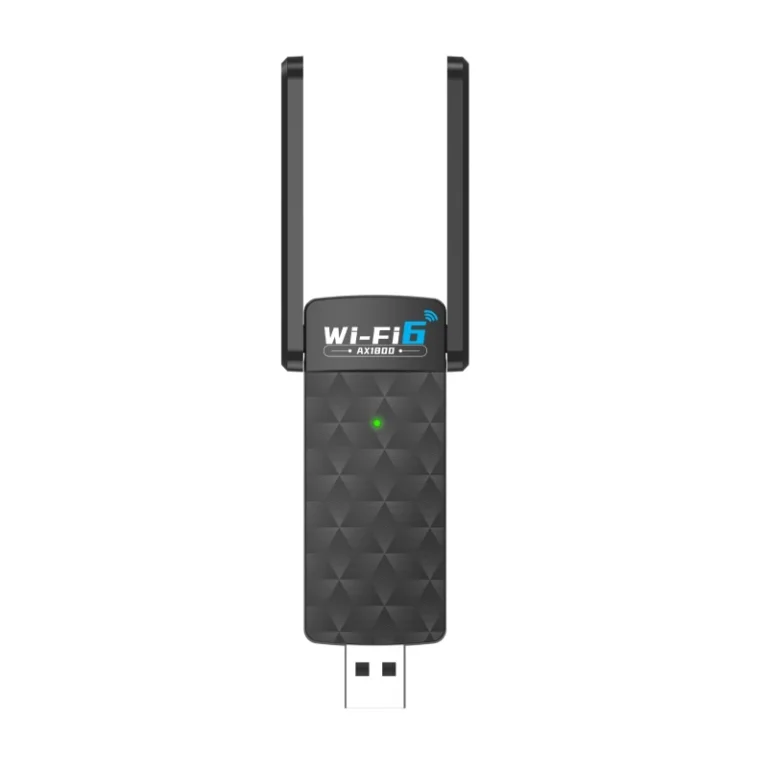
Built for host-side wireless upgrades across PCs, desktops, TV boxes, and other connected devices.

Designed for extending existing wireless coverage in homes, small offices, outdoor edge scenarios, and project-specific installations.
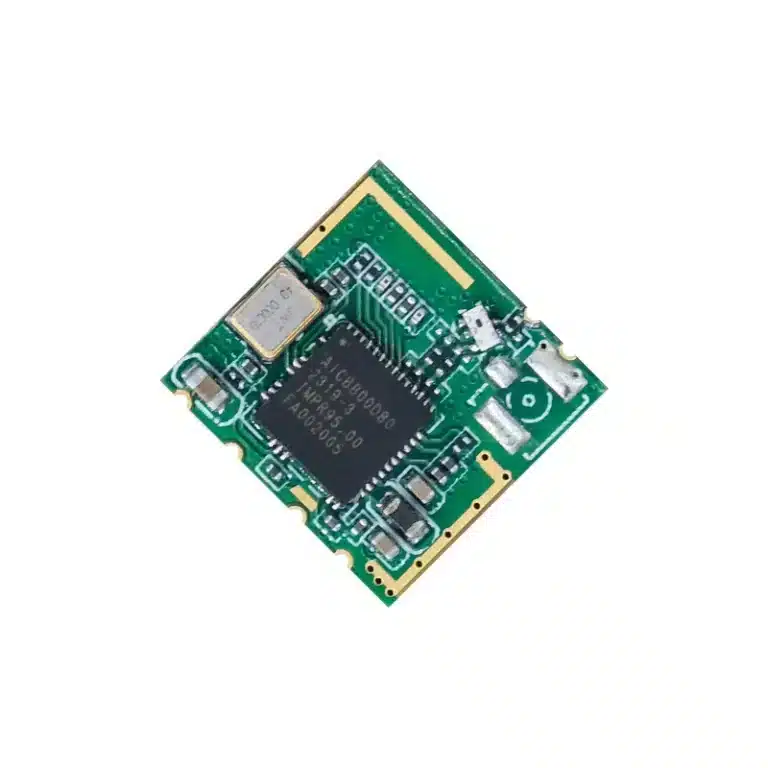
Built for customers integrating wireless capability into their own products, platforms, or control boards.
Manufacturing and R&D Evidence
For B2B buyers, supplier fit is not defined by product photos alone. Engineering depth, validation capability, and production consistency matter before volume orders begin.
Established Platform
Long-term experience in wireless connectivity products and OEM / ODM project support for B2B supply programs.
Structured Team Support
Built to support product evaluation, project coordination, manufacturing follow-up, and long-run business cooperation.
Hardware and Firmware Capability
Suitable for projects that need more than standard public-board supply, including firmware and software-level support.
Mass Production Readiness
Better suited for repeat orders, peak-season supply, distributor programs, and stable B2B volume execution.
- 4700 m² smart manufacturing facility
- Built for scalable production follow-up
Sample and Delivery Control
Supports faster rollout when the project is based on mature platforms and clearly defined customization scope.
Validation and Quality Control
Used to improve wireless consistency, reduce production risk, and support more stable product performance over time.
OEM / ODM Capability Matrix
OEM is not the same as ODM. Some projects need faster private-label execution on mature platforms, while others need deeper engineering support across hardware, firmware, housing, and validation.
WiFi Adapters
Better suited for host-side upgrade products, retail accessory lines, and channel-ready wireless programs.
WiFi Repeaters
Better suited for coverage-extension projects, networking brands, installation channels, and private-label deployment products.
WiFi Modules
Better suited for customers integrating wireless capability into their own product platforms, boards, or terminal devices.
Private label, carton artwork, quick-start guide support, and channel-ready packaging direction for standard adapter programs.
Private label, product labeling, packaging direction, and branded web-UI path for mature repeater platforms.
Labeling, packaging coordination, and integration-related documentation support based on project scope and delivery path.
Interface alignment, antenna structure adjustment, product positioning changes, and model-based feature planning.
Port layout, antenna layout, power path, PCB adjustment, and project-based repeater hardware direction planning.
Board-level integration path, interface definition, host-board fit, and project-level hardware coordination for embedded products.
Driver package alignment, platform matching, and software-side support where the adapter platform requires project-specific handling.
OpenWrt-based customization, TR-069 / TR-181, multi-language UI direction, and project-based software definition.
Firmware adaptation support, integration coordination, and project-specific development direction for embedded platforms.
Model-dependent housing changes, finish options, and product-appearance adjustments based on platform feasibility.
Modified housing, private mold path, enclosure updates, and visual direction adjustments for branding-based projects.
Integration-related mechanical support and project-dependent structural coordination based on module use environment.
Compatibility verification, platform validation, and production-side checks for more stable adapter delivery programs.
3D OTA chamber, LitePoint IQxel calibration, burn-in testing, and production validation for repeater-related projects.
RF validation, integration verification, and production-side support to reduce project risk before batch rollout.
Accessory brands, distributors, retail channels, and buyers looking for channel-friendly wireless upgrade products.
Networking brands, installer channels, resellers, and buyers focused on practical coverage products and private-label deployment.
Device makers, embedded teams, OEM brands, and customers needing platform-level wireless integration support.
These are the questions B2B buyers usually ask before moving from product-family selection to deeper category review, OEM / ODM discussion, or project evaluation.
A WiFi adapter adds wireless connectivity to a host device such as a PC, desktop, or TV box. A WiFi repeater is used to extend existing wireless coverage. A WiFi module is used when wireless capability must be integrated into your own hardware, control board, or embedded product platform.
Not always. OEM is usually the faster path when the existing hardware platform is already close to your target market and you mainly need branding, packaging, or limited feature alignment. ODM becomes more valuable when the project needs deeper changes in hardware direction, housing, firmware, interface layout, or feature definition.
Buyers should verify engineering capability, production scale, testing resources, sample cycle, lead time for mature orders, and whether the supplier can clearly explain which customization items are standard and which are project-dependent. It is also important to confirm platform maturity, chipset direction, and target-market requirements before volume planning begins.
Because a top-level product hub should help buyers choose a direction first. Detailed technical comparison, deployment logic, and model-level differences should be handled on deeper category pages or dedicated project pages. This makes the page easier to scan and keeps the internal-link structure clearer.
Yes, but the project path should be defined early. Some buyers only need private-label execution based on mature platforms, while others need hardware review, firmware adjustment, tooling coordination, validation planning, and structured follow-up before batch production.
The next step is to move into the relevant category page and narrow the project by interface, wireless standard, deployment scenario, or integration path. After that, buyers can confirm whether the project is better suited to standard supply, OEM branding, or deeper ODM development.
Contact Us
Tell us your target market, product type, and customization scope.
Our team can help you move from product family selection to the right category and project path.
Contact Information
Phone: +8618682468703
WhatsApp: +8618682468703
Email: addway.wang@lgxlgx.com
Address: Room 301, Building A2, Qiangrong East Industrial Zone, No. 723 Zhoushi Road, Hangcheng Street, Shenzhen, Guangdong, China